
What is Revision Control?
All aspects of a given product is subject to frequent changes. Engineering and Product Design teams are constantly striving to make a product that is on the cutting edge. This is important for the growth of the product, business, and the industry as a whole. However, the constant changes to product specifications is not conducive for a manufacturing environment, especially when working with a Contract Manufacturer (CM), and for getting the product to market.
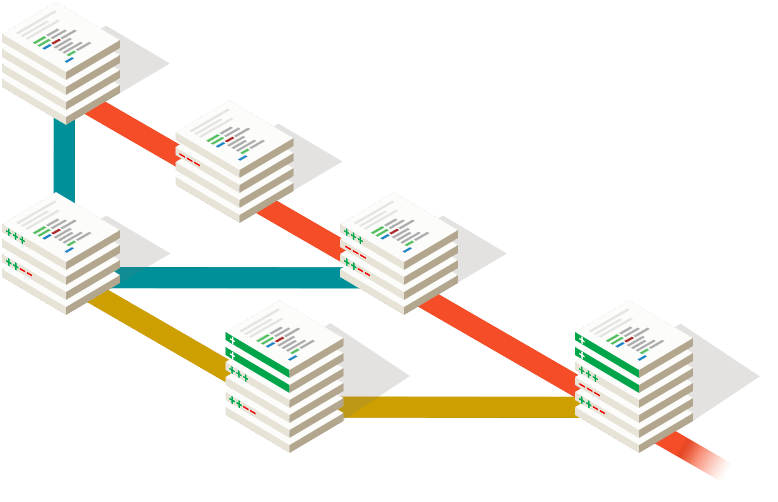
The concept of Rev Control is to document a set of product specifications (Bill of Materials (BOM); Assembly and testing instructions) that, when followed, create the product. This set of specifications is removed from Research and Development (R&D) cycles, and is considered ready-for-market. Typically this set of product specifications will have some sort of unique identifier assigned to it, a “revision level”. Revisions are commonly identified by a single, or set of alpha-numeric character(s), so different revisions of the same product can be quickly and easily identified.
Why Revision Control?
Part of the manufacturing process is the interpretation and internalization of the product’s specifications. When any specification of a product is changed, the manufacturer has to adjust for the change. Depending on the change, this can be a simple adjustment to post-production inspection, or completely restarting the interpretation and internalization process. When trying to get your product to market, it is important to stick with the initial specifications and instructions provided for the Contract Manufacturer (CM), unless it is discovered that those specifications will not yield a functioning product. Any further development of the product should wait for the next revision of the product.
Constantly revising specifications while your CM is interpreting and internalizing the product specifications is like going to a restaurant and constantly changing your order.
Consider the Following Scenario
Patron “I’ll have the cheeseburger with all the fixings, but hold the tomatoes.”
Waiter “No problem, would you like anything else?”
Patron “I would also like a soda… No wait, I’ll just have water…”
Waiter “will that be all for you today?”
Patron “yes”
Waiter “Alright, I’ll get the kitchen on that cheeseburger, and I’ll be right back with that water.”
[Waiter returns with water]
Patron “Excuse me, I forgot to mention to hold the onions.”
Waiter “No problem, I’ll let the kitchen know.”
[Waiter goes to the kitchen, then returns to confirm the adjustment has been made]
Patron “Can I add bacon to my burger?”
Waiter “of course, I’ll be inform the kitchen. We may be able to add in the bacon before your cheeseburger is done”
[Waiter goes to the kitchen, and returns to confirm the adjustment has been made]
Waiter “That bacon should be perfect by the time the burger comes off the grill.”
Patron “Is it too late to get fries with my order?”
Waiter “I’ll get the kitchen on those fries, they may be out later than the burger. Will that be alright?”
Patron “Yeah. Oh, I forgot to mention I wanted the burger medium rare?”
[Waiter briskly walks over to the kitchen; some time passes; the waiter returns with the Patron’s order]
Patron “Finally! What took so long?”